
Zimbabwe travel insurance is not a legal requirement for entry, but it is strongly recommended by every major government travel advisory and experienced travelers alike. Zimbabwe’s private healthcare facilities require upfront payment in US dollars, serious medical emergencies may require evacuation to South Africa, and popular activities like Victoria Falls bungee jumping and safari game drives carry inherent risks that basic insurance policies may not cover.
This guide explains whether you need travel insurance for Zimbabwe, what your policy should cover, how Zimbabwe’s medical system works, adventure sports considerations, emergency evacuation costs, typical insurance pricing, and answers to the most common questions about protecting your trip.
Is Travel Insurance Required for Zimbabwe?
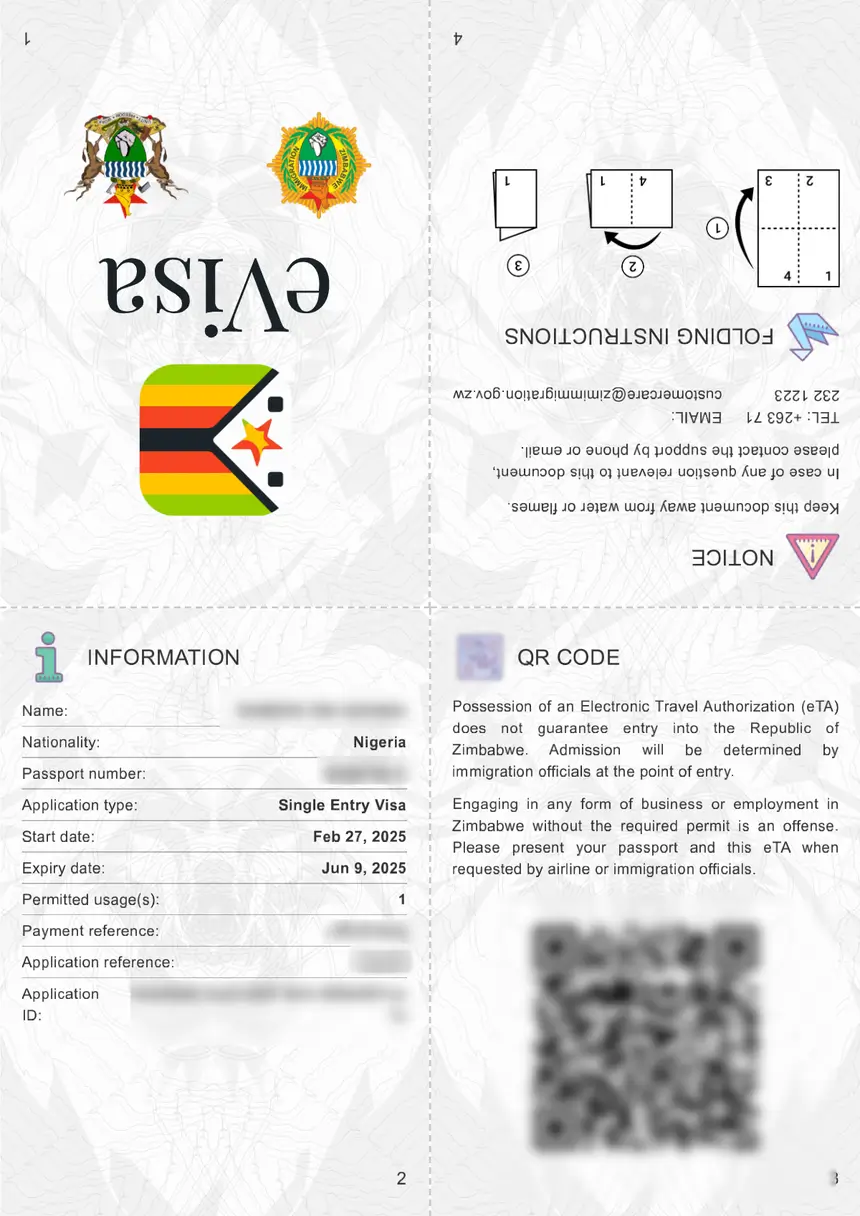
Zimbabwe does not legally require travelers to have travel insurance to enter the country. Unlike destinations such as Cuba, Ecuador, or the Schengen Area, Zimbabwe’s immigration authorities do not check for proof of insurance at ports of entry or during the eVisa application process. You can enter Zimbabwe with a valid visa and passport without showing an insurance policy.
However, not having travel insurance is a significant risk. The UK Foreign, Commonwealth and Development Office advises travelers to “take out comprehensive travel insurance” before visiting Zimbabwe. Australia’s Smartraveller service states: “If you can’t afford travel insurance, you shouldn’t travel. This is true for everyone, even if you are healthy and fit.”
The key reasons travel insurance is strongly recommended for Zimbabwe include:
- Private hospitals require upfront cash payment in US dollars before treatment
- Medical evacuation to South Africa can cost $15,000 to $50,000 or more
- Adventure activities at Victoria Falls and on safari carry injury risks
- Malaria and tropical diseases are present throughout the country
- Trip cancellations due to political unrest or health emergencies can result in significant financial loss
For details on the visa itself, see our Zimbabwe eVisa complete guide.
What Should Travel Insurance Cover for Zimbabwe?
Comprehensive travel insurance for Zimbabwe should cover medical expenses, emergency evacuation, trip cancellation, baggage loss, and any adventure sports activities you plan to do. When comparing policies, look for the following coverage areas as a minimum:
| Coverage Type | Recommended Minimum | Notes |
|---|---|---|
| Medical expenses | $100,000 – $250,000 | Must cover hospital stays, surgery, and medication in Zimbabwe |
| Emergency medical evacuation | $250,000 – $500,000 | Covers air ambulance to South Africa if needed |
| Trip cancellation | 100% of trip cost | Reimburses prepaid, non-refundable expenses |
| Trip interruption | 150% of trip cost | Covers additional return travel costs |
| Baggage loss or delay | $1,000 – $2,500 | Covers lost, stolen, or delayed luggage |
| Personal liability | $100,000+ | Covers damage to property or injury to others |
| Adventure sports | Activity-specific rider | Required for bungee, rafting, safari walks |
| 24/7 emergency assistance | Included | Must have a hotline reachable from Zimbabwe |
Read your policy wording carefully. Many standard travel insurance policies exclude “hazardous activities” by default. If you plan to bungee jump at Victoria Falls, go white-water rafting on the Zambezi River, or do a walking safari, you may need to purchase an additional adventure sports rider. Check our Zimbabwe visa requirements guide for other entry preparation steps.
Pre-existing medical conditions are often excluded from standard policies. If you have a chronic condition, look for policies that offer a pre-existing condition waiver, which is typically available if you purchase the policy within 14 to 21 days of your initial trip deposit.
Zimbabwe Medical Facilities and Healthcare
Zimbabwe’s private hospitals require upfront cash payment, often in US dollars, and public healthcare facilities have limited resources and medication supplies. Understanding the local healthcare landscape is essential for choosing the right level of insurance coverage.
Private hospitals in Harare include the Borrowdale Trauma Centre, Avenues Clinic, and West End Hospital. These facilities provide reasonable quality care for routine emergencies but may lack advanced surgical or intensive care capabilities for complex trauma cases. Expect to pay $200 to $500 for a basic emergency room visit and significantly more for hospitalization.
Outside Harare and Bulawayo, medical facilities are extremely limited. In tourist areas like Victoria Falls and Kariba, there are small clinics that can handle minor injuries and illnesses, but serious cases require transfer to Harare or evacuation to South Africa.
Key facts about Zimbabwe healthcare for travelers:
- Payment is required upfront before treatment, in cash (US dollars preferred)
- Credit cards are not accepted at most medical facilities
- Medication supplies are inconsistent – bring adequate supplies of any prescription drugs
- Blood supply screening may not meet international standards
- Ambulance services are unreliable outside major cities; private ambulance services exist in Harare
Your travel insurance should include direct payment arrangements with Zimbabwe hospitals or a guarantee of payment letter, so you do not have to pay thousands of dollars out of pocket before receiving treatment.
Adventure Sports and Safari Coverage
Standard travel insurance policies may exclude high-risk activities that are among Zimbabwe’s top tourist attractions, including bungee jumping at Victoria Falls, white-water rafting on the Zambezi River, and walking safaris in national parks. If you plan to do any of these activities, verify that your policy covers them before you depart.
Common Zimbabwe activities that may require additional coverage:
| Activity | Risk Level | Coverage Needed |
|---|---|---|
| Victoria Falls bungee jump (111m) | High | Adventure sports rider |
| White-water rafting (Grade 5 rapids) | High | Adventure sports rider |
| Helicopter flights over Victoria Falls | Medium | Aviation activities cover |
| Walking safari in Hwange or Mana Pools | Medium-High | Adventure activities cover |
| Game drive safari (vehicle-based) | Low-Medium | Usually covered by standard policies |
| Canoeing on the Zambezi | Medium | Water sports cover |
| Bridge swing at Victoria Falls | High | Adventure sports rider |
Safari game drives in a vehicle are generally covered by standard travel insurance policies, as the risk level is comparable to riding in a car. However, walking safaris where you are on foot in areas with lions, elephants, or buffalo are typically classified as hazardous activities and require additional coverage.
When purchasing adventure sports coverage, check the policy for:
- Specific activity names (not just “adventure sports” in general)
- Altitude limits (relevant for helicopter flights over Victoria Falls)
- Water activity exclusions (some policies exclude Grade 4+ rapids)
- Animal encounter coverage (for safari-specific injuries)
Emergency Medical Evacuation from Zimbabwe
Emergency medical evacuation from Zimbabwe to South Africa typically costs between $15,000 and $50,000, depending on the medical condition, type of transport, and destination hospital. This is one of the most important reasons to have comprehensive travel insurance.
Evacuation may be necessary when:
- Road infrastructure makes ground ambulance transport too slow or dangerous
- Specialist treatment is required that is not available in Zimbabwe
- Surgical capabilities at local hospitals are insufficient for complex injuries
- Intensive care facilities are at capacity or unavailable
Air ambulance services operate from Harare and Victoria Falls to hospitals in Johannesburg, South Africa, which is approximately a 1.5 to 2-hour flight from Harare. The cost of a medical flight with onboard medical staff and equipment typically ranges from $15,000 to $35,000. If a commercial airline medical escort is possible (for stable patients), the cost may be lower at $5,000 to $15,000.
Your travel insurance policy should specifically include:
- Emergency medical evacuation with a minimum coverage of $250,000
- Repatriation to your home country if you need to return for ongoing treatment
- Repatriation of remains in the worst-case scenario
- Companion travel coverage so a family member can accompany you
Without insurance, you or your family will need to arrange and pay for evacuation directly, which may require upfront payment or a guarantee of payment before the air ambulance departs.
How Much Does Zimbabwe Travel Insurance Cost?
Travel insurance for a typical 2-week Zimbabwe trip costs between $50 and $150 for a basic policy and $100 to $300 for comprehensive coverage that includes adventure sports. Prices vary based on your age, trip length, coverage level, country of residence, and any optional add-ons.
| Trip Duration | Basic Coverage | Comprehensive | With Adventure Sports |
|---|---|---|---|
| 1 week | $30 – $80 | $60 – $150 | $80 – $200 |
| 2 weeks | $50 – $150 | $100 – $300 | $150 – $400 |
| 1 month | $80 – $250 | $150 – $500 | $250 – $600 |
| 3 months | $150 – $400 | $300 – $800 | $400 – $1,000 |
Factors that affect your premium:
- Age: Travelers over 65 typically pay 50-100% more
- Trip cost: Higher trip costs mean higher cancellation coverage premiums
- Activities: Adventure sports riders add $20-$100 to the policy
- Pre-existing conditions: Waivers may add 10-25% to the premium
- Deductible/excess: Higher deductibles lower the premium but increase out-of-pocket costs
Annual multi-trip policies may be more cost-effective if you plan to visit Zimbabwe (or other destinations) more than once per year. These typically cost $200-$500 per year and cover multiple trips of up to 30-90 days each.
For information on visa fees that form part of your overall trip budget, see our Zimbabwe eVisa fee guide.
Frequently Asked Questions
Do I need travel insurance for a Zimbabwe eVisa?
Travel insurance is not required for the Zimbabwe eVisa application or for entry into Zimbabwe. However, it is strongly recommended by all major government travel advisories due to the high cost of private medical care and the potential need for emergency evacuation.
Does Zimbabwe check travel insurance at the border?
No, Zimbabwe immigration authorities do not check for proof of travel insurance at ports of entry, airports, or land border crossings. The requirement is not enforced at the border, but having insurance protects you from significant financial risk.
Will my regular health insurance cover me in Zimbabwe?
Most domestic health insurance plans do not provide coverage outside your home country. Even if your plan offers international coverage, it typically does not cover emergency evacuation, trip cancellation, or repatriation. Dedicated travel insurance is recommended.
Does travel insurance cover safari in Zimbabwe?
Vehicle-based safari game drives are generally covered by standard travel insurance policies. However, walking safaris, where you are on foot in areas with wildlife, may require an adventure sports or hazardous activities rider. Check your specific policy wording.
Is bungee jumping at Victoria Falls covered by travel insurance?
The Victoria Falls bungee jump (111 meters) is classified as a hazardous activity by most insurers and is not covered by standard policies. You need to purchase an adventure sports rider or a policy that specifically lists bungee jumping as a covered activity.
What happens if I get sick in Zimbabwe without travel insurance?
You will need to pay for all medical treatment upfront in US dollars at private hospitals. A basic emergency room visit costs $200-$500, hospitalization can cost thousands, and medical evacuation to South Africa can cost $15,000-$50,000. Your embassy may assist with finding medical care but will not pay your bills.
How much medical evacuation coverage do I need for Zimbabwe?
A minimum of $250,000 in emergency medical evacuation coverage is recommended. Air evacuation from Zimbabwe to South Africa costs $15,000-$50,000, and repatriation to your home country (e.g., Europe, North America, Australia) can cost $50,000-$100,000 or more.
Does travel insurance cover malaria treatment in Zimbabwe?
Yes, travel insurance typically covers the cost of treating malaria if you contract it during your trip. However, preventive measures such as anti-malarial medication (prophylaxis) are usually not covered by travel insurance. Consult your doctor before traveling.
Can I buy travel insurance after arriving in Zimbabwe?
Most travel insurance providers require you to purchase the policy before your departure date. Some providers allow purchase up to 24-48 hours before departure, but buying after arrival significantly limits coverage options and may exclude trip cancellation benefits.
Does the KAZA UniVisa require travel insurance?
The KAZA UniVisa, which allows travel between Zimbabwe and Zambia for 30 days, does not require travel insurance. However, if you use a KAZA UniVisa, make sure your travel insurance covers you in both Zimbabwe and Zambia, as you will be crossing between the two countries.
What documents do I need to file a travel insurance claim from Zimbabwe?
Keep all original receipts, medical reports, police reports (for theft), airline correspondence (for delays), and photographs of any damaged property. Contact your insurer’s 24/7 emergency line as soon as possible after an incident. Most claims must be filed within 30-90 days of returning home.
Are there any travel insurance exclusions specific to Zimbabwe?
Common exclusions include: travel to areas with government-issued “do not travel” advisories, incidents related to civil unrest or protests (if you actively participated), alcohol or drug-related incidents, undeclared pre-existing conditions, and incidents occurring during unauthorized adventure activities. Check your policy’s general exclusions section carefully.